What is Corrugated Pipe? In Which Infrastructure Systems Is It Used?
In today’s infrastructure projects, the quality and durability of materials play a critical role in ensuring long-lasting and trouble-free performance. Among these materials, corrugated pipes stand out with their robust structure and flexibility, becoming a preferred solution especially in sewage and drainage systems.
So, what exactly is a corrugated pipe and in which areas is it commonly used? This article thoroughly examines the features, usage areas, and advantages of corrugated pipes.
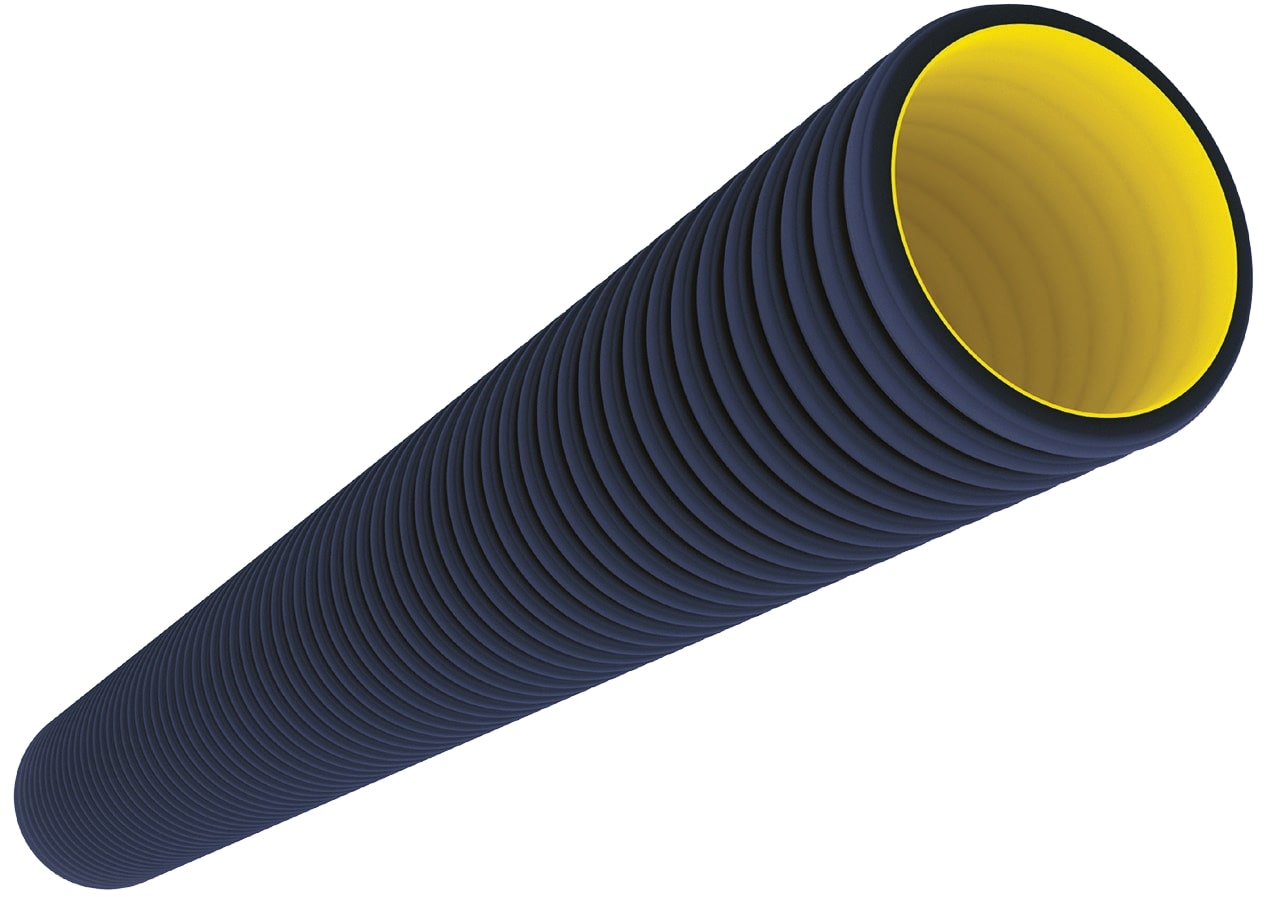
Corrugated Pipe Samples


What is Corrugated Pipe?
Corrugated pipe is a type of pipe usually made from plastic material, with a double-walled structure and a corrugated surface on the outside. The term "corrugated" refers to the grooved or ribbed structure on the outer surface, which provides both durability and flexibility. Despite being lightweight, these pipes offer high mechanical strength, making them an ideal solution for underground infrastructure projects.
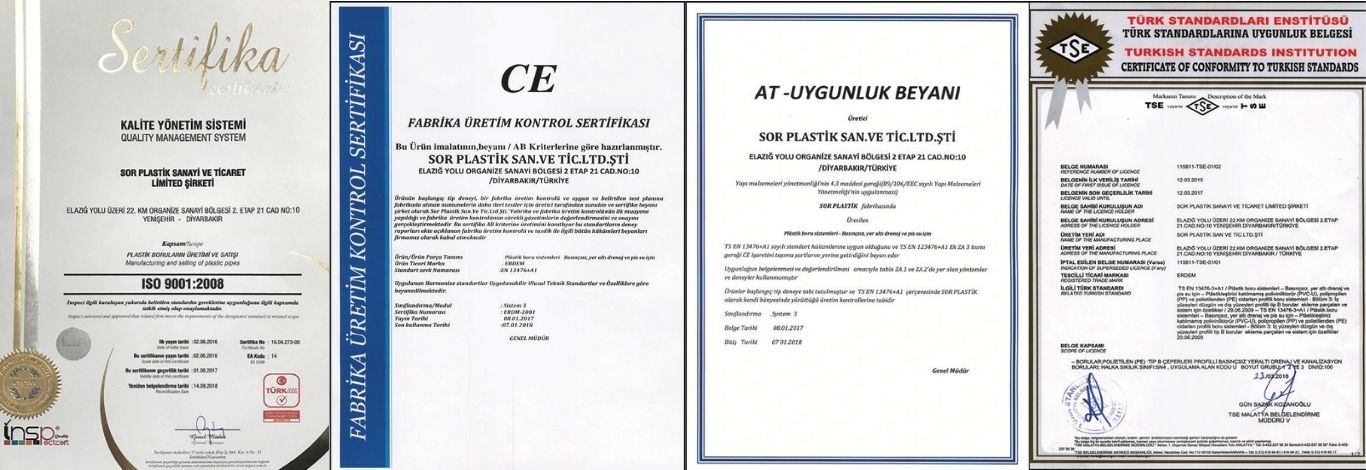
Corrugated pipes are generally produced from durable plastic materials such as polypropylene (PP), polyethylene (PE), or PVC. These materials are chemically resistant and environmentally friendly. Additionally, corrugated pipes are manufactured in accordance with the TS EN 13476-3+A1 standard and come with quality certifications that ensure reliability.
Technical Features of Corrugated Pipes
- Double-wall structure: Smooth inner surface, corrugated outer wall
- Flexibility: Resistant to ground movement, does not crack
- Lightweight: Easy to transport and quick to install
- Chemical resistance: Resistant to wastewater and industrial chemicals
- High durability: Resistant to mechanical loads and external pressure
- Long lifespan: Resistant to UV rays and environmental factors
Infrastructure Applications
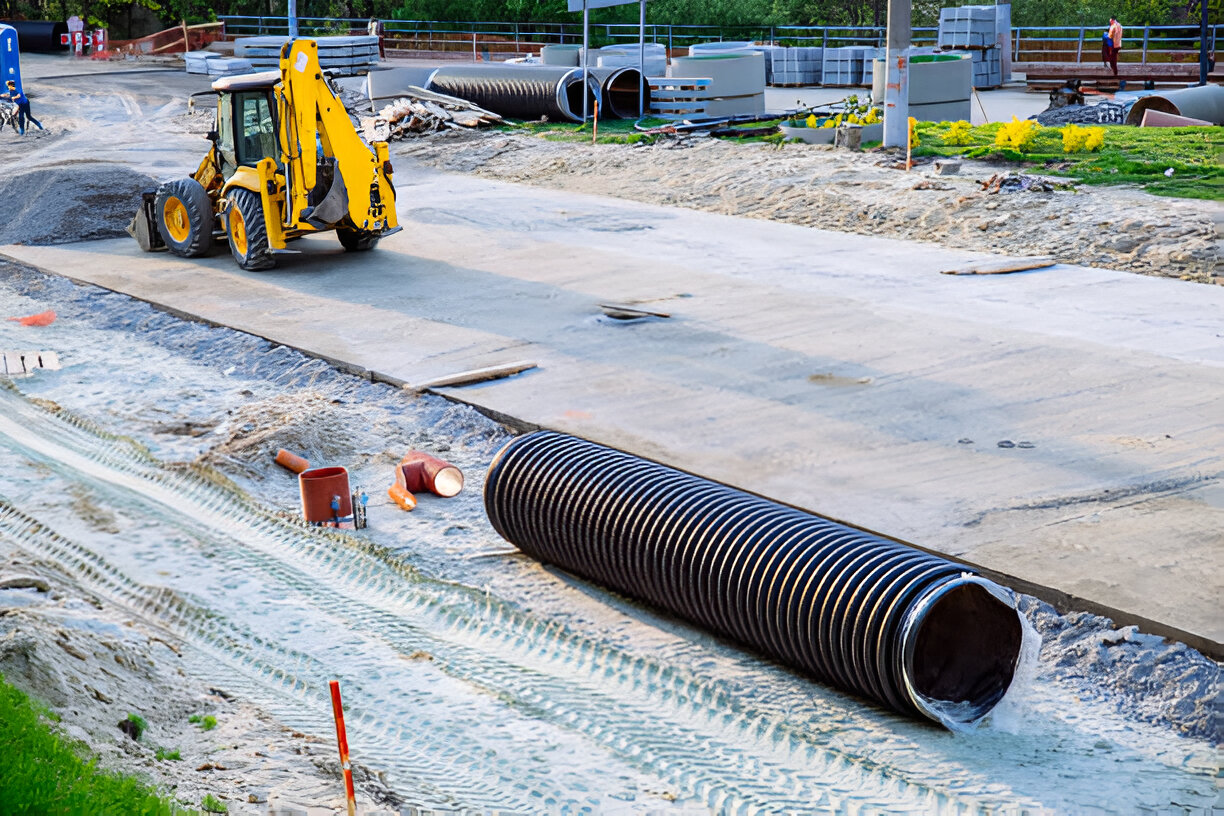
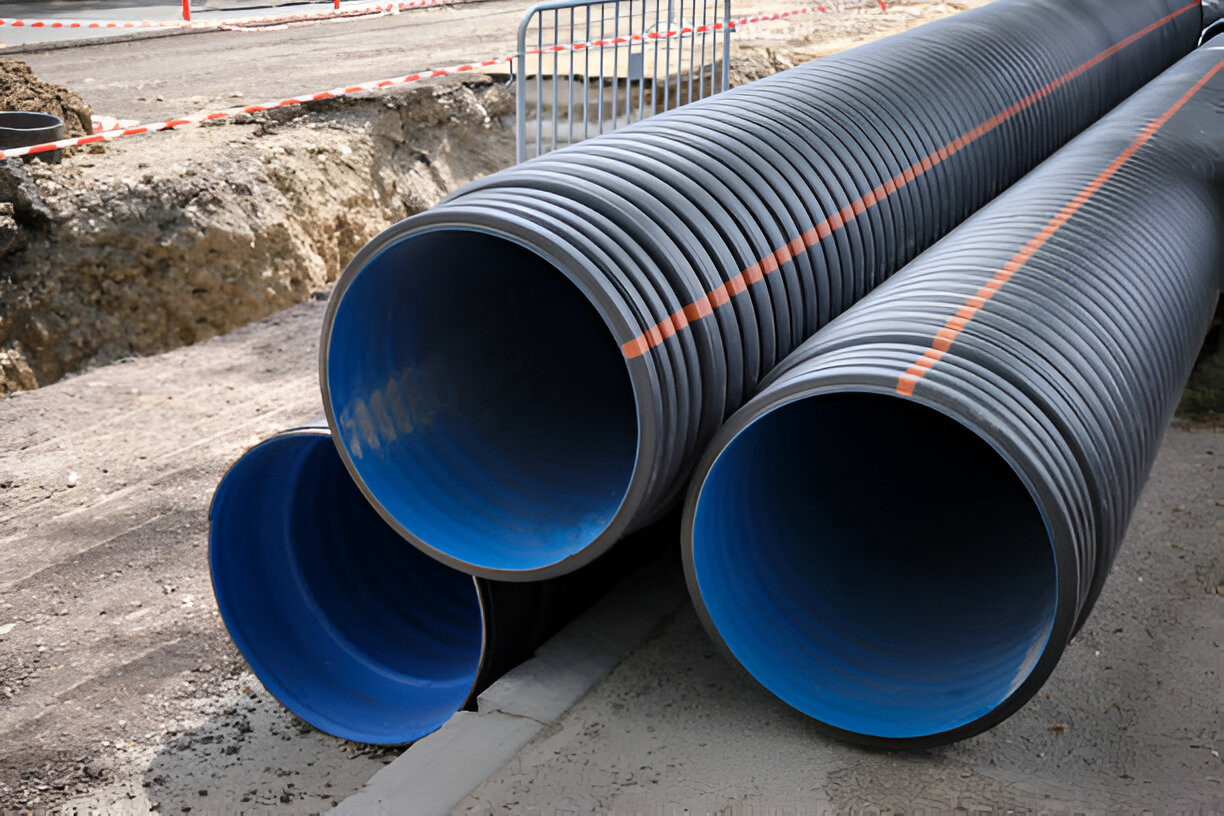
Where Are Corrugated Pipes Used in Infrastructure?
1. Sewage Systems
Corrugated pipes are most commonly used in sewage infrastructure. Their smooth inner surfaces allow for fast and efficient wastewater flow, while the corrugated outer surface withstands soil pressure and ensures long-term reliability.
2. Rainwater Drainage Systems
Rainwater management is crucial in urban areas. Corrugated pipes are preferred in these systems due to their ease of installation and high durability. The ribbed outer surface resists ground movement and reduces the risk of clogging.
3. Gravity-Driven Water Transport Systems
Used in systems that transport water using gravity, these pipes provide smooth flow without energy loss, making them suitable for both rainwater and clean water distribution.
4. Industrial Wastewater Systems
In industrial facilities, corrugated pipes help process chemically aggressive wastewater thanks to their plastic composition, contributing to environmental protection.
5. Agricultural Irrigation and Drainage
Corrugated pipes are also used in agricultural irrigation and drainage infrastructure. Their flexible design adapts well to varying terrain and supports efficient water distribution.
Installation and Manufacturing
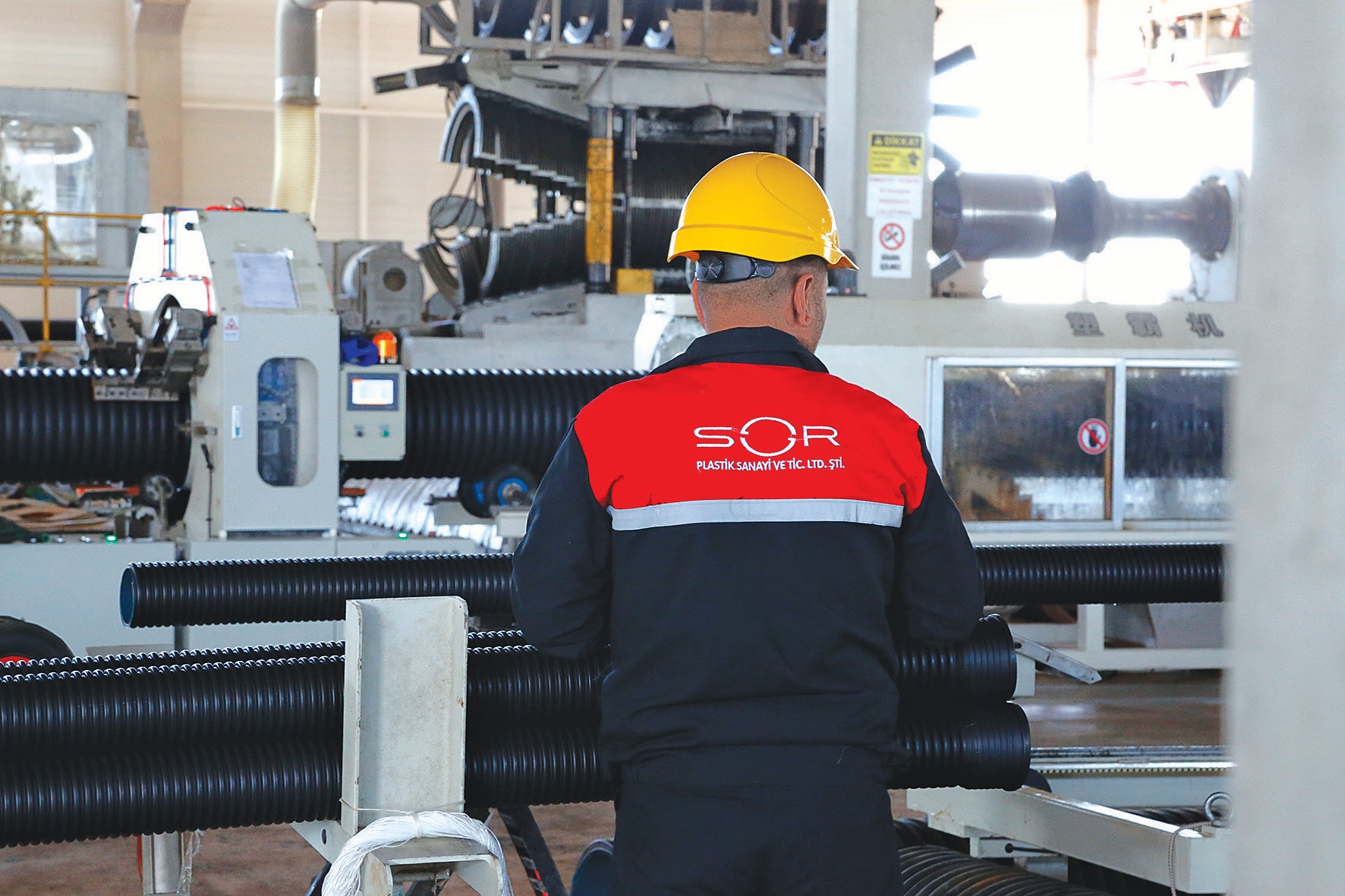
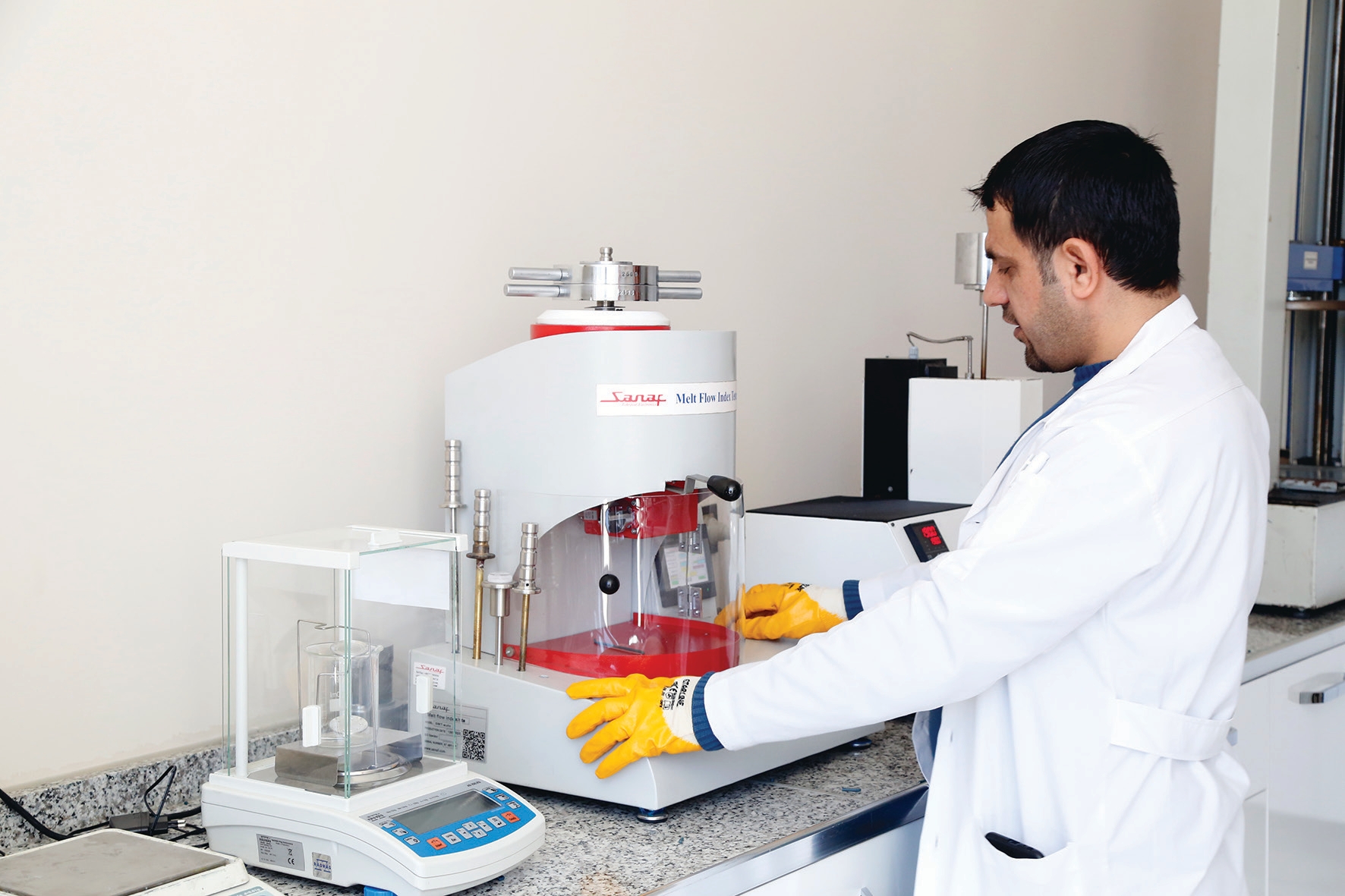
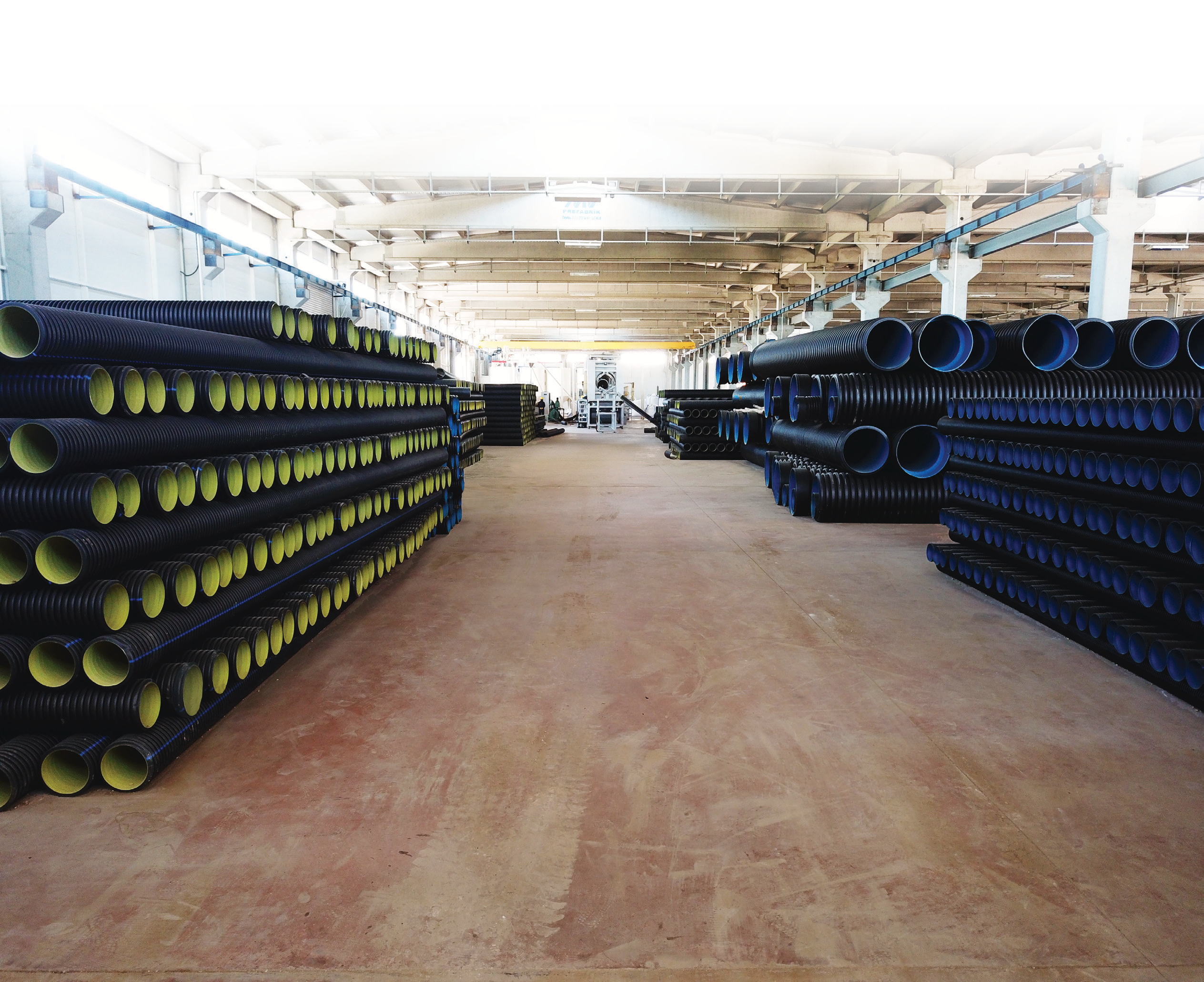
Advantages of Using Corrugated Pipes
Corrugated pipes offer numerous advantages for infrastructure projects:
Easy Installation
Lightweight and flexible structure reduces transportation and labor costs.
Durability
High resistance to soil pressure, impact, and mechanical stress.
Long Lifespan
Resistant to UV rays and chemical exposure, minimizing the need for replacement.
Economical
Low maintenance and replacement costs offer an economical solution.
Eco-Friendly
Made from recyclable materials, reducing environmental impact.
High Performance
Smooth inner surface enhances fluid flow and reduces clogging risk.
Strengthen Your Infrastructure with SOR Plastik Corrugated Pipes
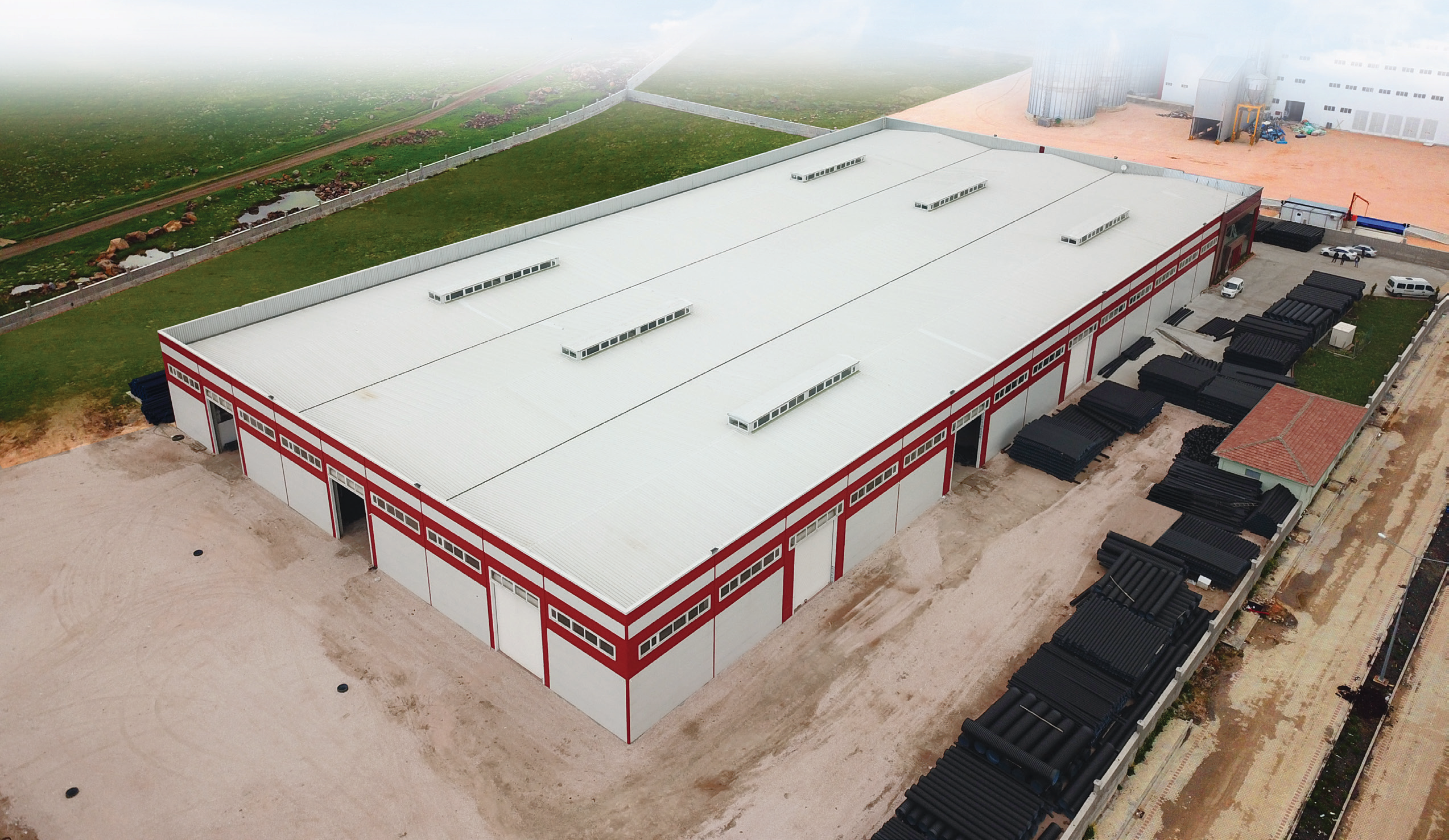
Since 2014, SOR Plastik has been operating as a leading manufacturer focused on quality and durability in corrugated pipe production. Our products comply with TS EN 13476-3+A1 standards and are safely used in sewage, rainwater drainage, gravity water lines, and industrial wastewater systems.
Our environmentally conscious and long-lasting corrugated pipes add significant value to urban infrastructure. With SOR Plastik, your infrastructure becomes strong, economical, and sustainable.
Conclusion
Corrugated pipes stand out in modern infrastructure projects with their durability, flexibility, and economic benefits. Suitable for sewage, drainage, water transport, and industrial wastewater systems, these pipes provide long-term value for your investments.
By choosing SOR Plastik’s certified corrugated pipes, you ensure high performance and sustainability in your infrastructure. Choose the right material and take confident steps toward the future!
SOR Plastik Quality